
Getting started with LECA is simple with a few key steps.
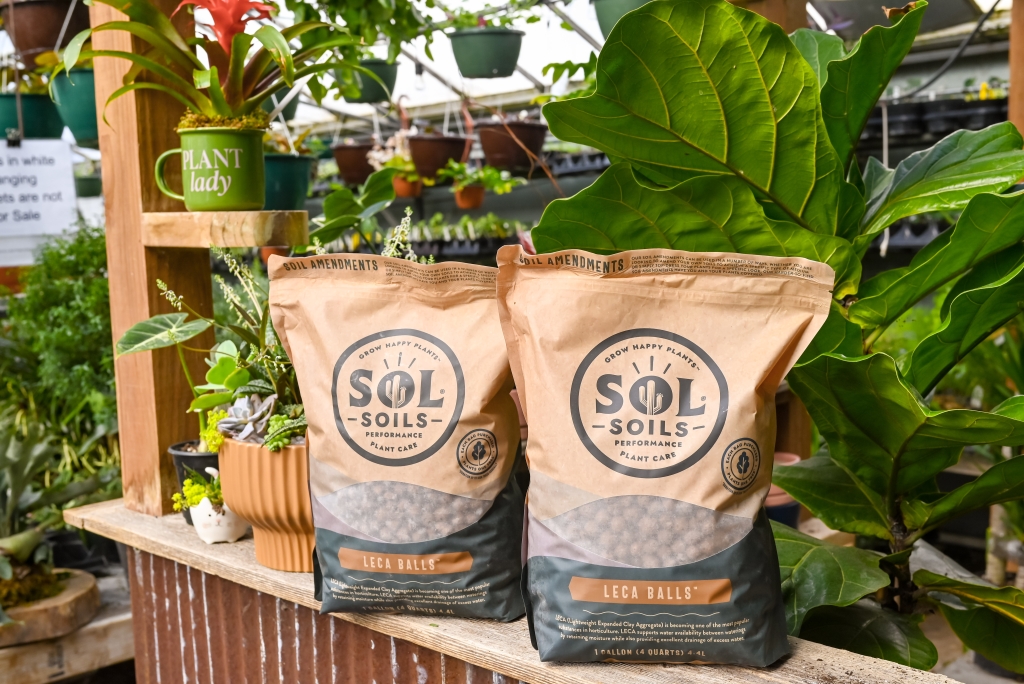
If you’re looking for a fresh, low-maintenance way to care for your houseplants, LECA might be your new favorite planting method. LECA consists of small clay pebbles that absorb and release water while allowing plenty of airflow around plant roots—creating a balanced, semi-hydro growing environment.
1. CHOOSE THE RIGHT HOUSEPLANT
First, choose a plant that transitions well, such as pothos, philodendron, or monstera. These varieties are typically more forgiving as they adjust from soil to LECA.
- Pothos – super adaptable and beginner-friendly
- Philodendron (heartleaf, Brasil, etc.) – loves consistent moisture
- Monstera deliciosa – strong roots that adjust well
- Snake Plant – tolerant and low-maintenance once established
- ZZ Plant – handles semi-hydro conditions surprisingly well
- Peace Lily – enjoys the steady water access
- Spider Plant – quick to adapt and easy to propagate in LECA
- Orchids (especially phalaenopsis) – great airflow for roots
- Alocasia – thrives with consistent moisture and humidity
- Anthurium – does well with controlled watering and airflow


2. Select the RIGHT container
Choose a container without drainage so you can maintain a consistent water reservoir at the bottom for your LECA. Clear containers are a great option, allowing you to easily monitor water levels and root health as your plant grows.


3. rinse and soak leca
Before planting, soak your LECA in water for 12–24 hours. This allows the clay pebbles to fully hydrate and better support your plant. Once soaked, add a layer of LECA to the bottom of your container, place your plant inside, and fill around the roots with more pebbles to secure it in place.
5. remove soil from roots
Next, gently remove your plant from its pot and rinse away all soil from the roots. This step is important—any leftover soil can lead to bacteria growth once placed in LECA. Take your time and be as thorough as possible without damaging the roots.


6. Transition your plant to leca
Add water to the container, keeping the level just below the roots—about one-third full. This creates a reservoir that the plant can draw from as needed. Because LECA doesn’t contain nutrients, be sure to mix in a liquid fertilizer to keep your plant healthy.
As your plant adjusts, expect a short transition period. With a little patience, LECA can offer a cleaner, more controlled way to help your plants thrive. 🌿

Check out a quick video of Jamie repotting an Alocasia into LECA with an easy step-by-step tutorial. VIDEO HERE We’ve got all the supplies in-store to help you get started with the LECA journey. Looking for more hands-on guidance? Join one of our planting party workshops, where our staff will walk you through the LECA process from start to finish! 🌿
